When Agronomic Experience Meets Future Solutions: BIO-CROP at “Žemdirbio vasara 2026”
How should crop production evolve when, at the same time, we need to protect soil, adapt to increasingly unpredictable climatic conditions, and maintain farm productivity? This question is becoming not only a subject of scientific research but also an increasingly important part of everyday farming practice.
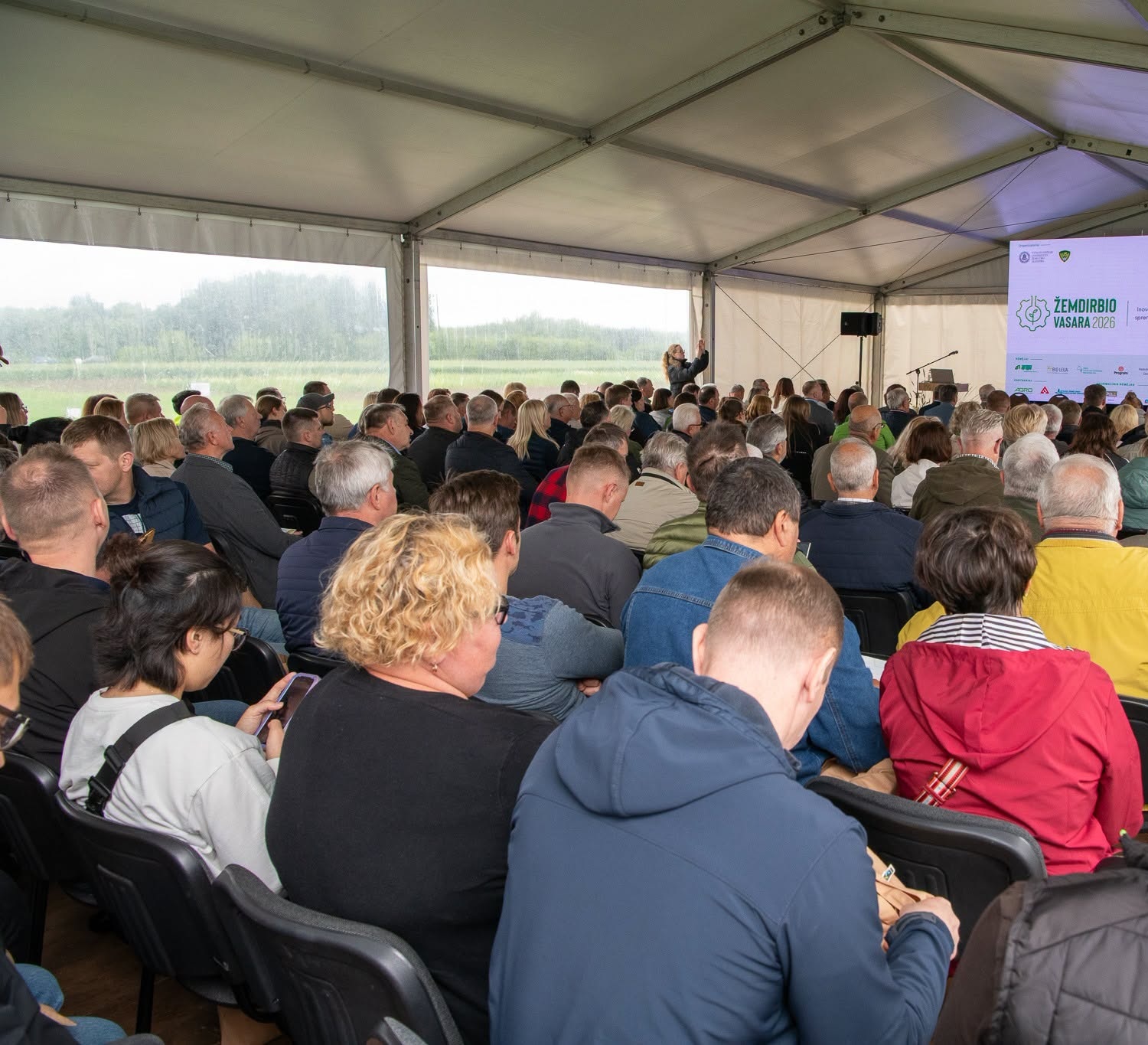
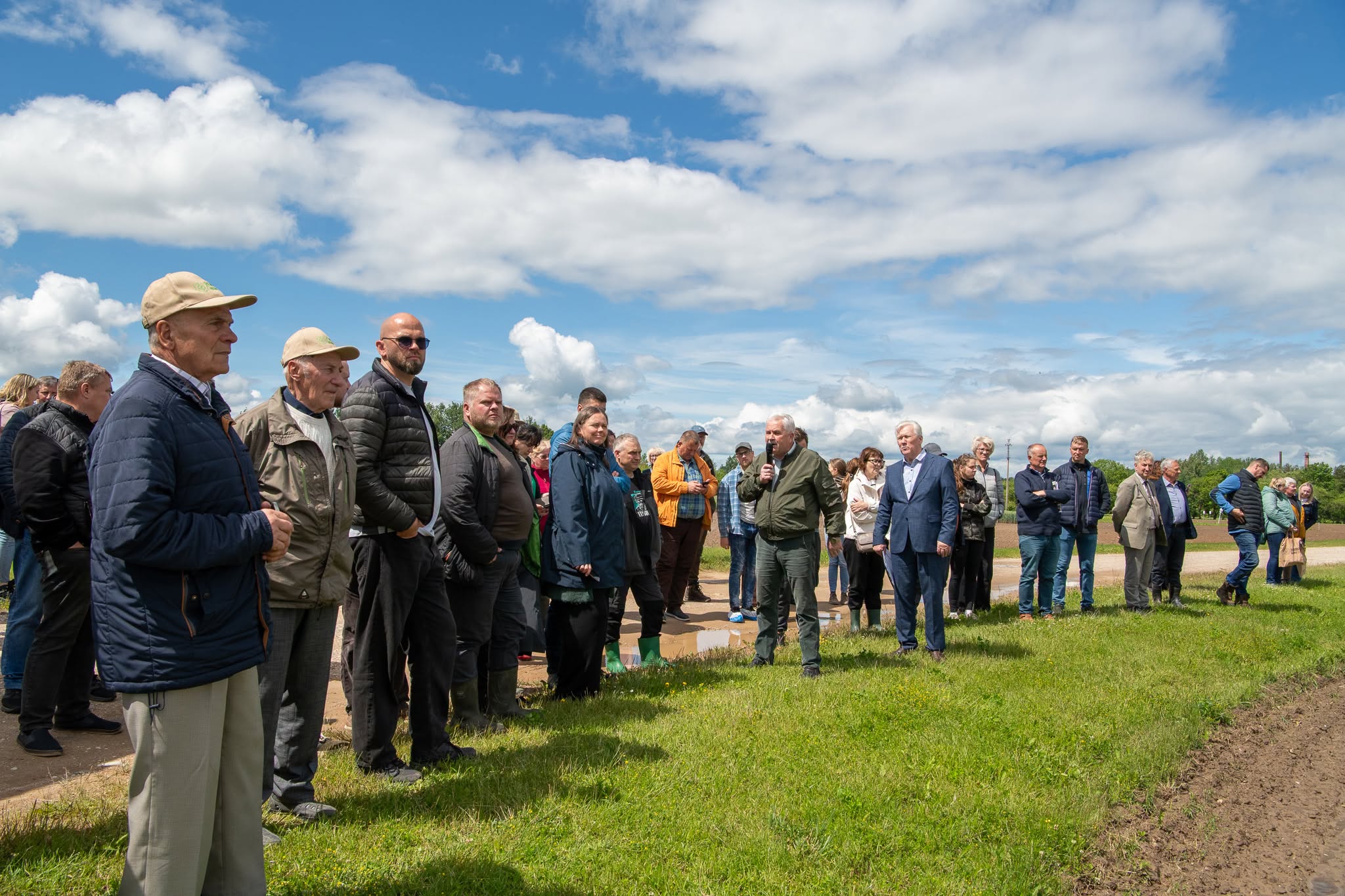
This topic was discussed on 17 June at the 26th scientific-practical conference “Žemdirbio vasara 2026: Innovative Agroengineering Solutions in Crop Production”, held at the Experimental Station of the Agriculture Academy of Vytautas Magnus University.
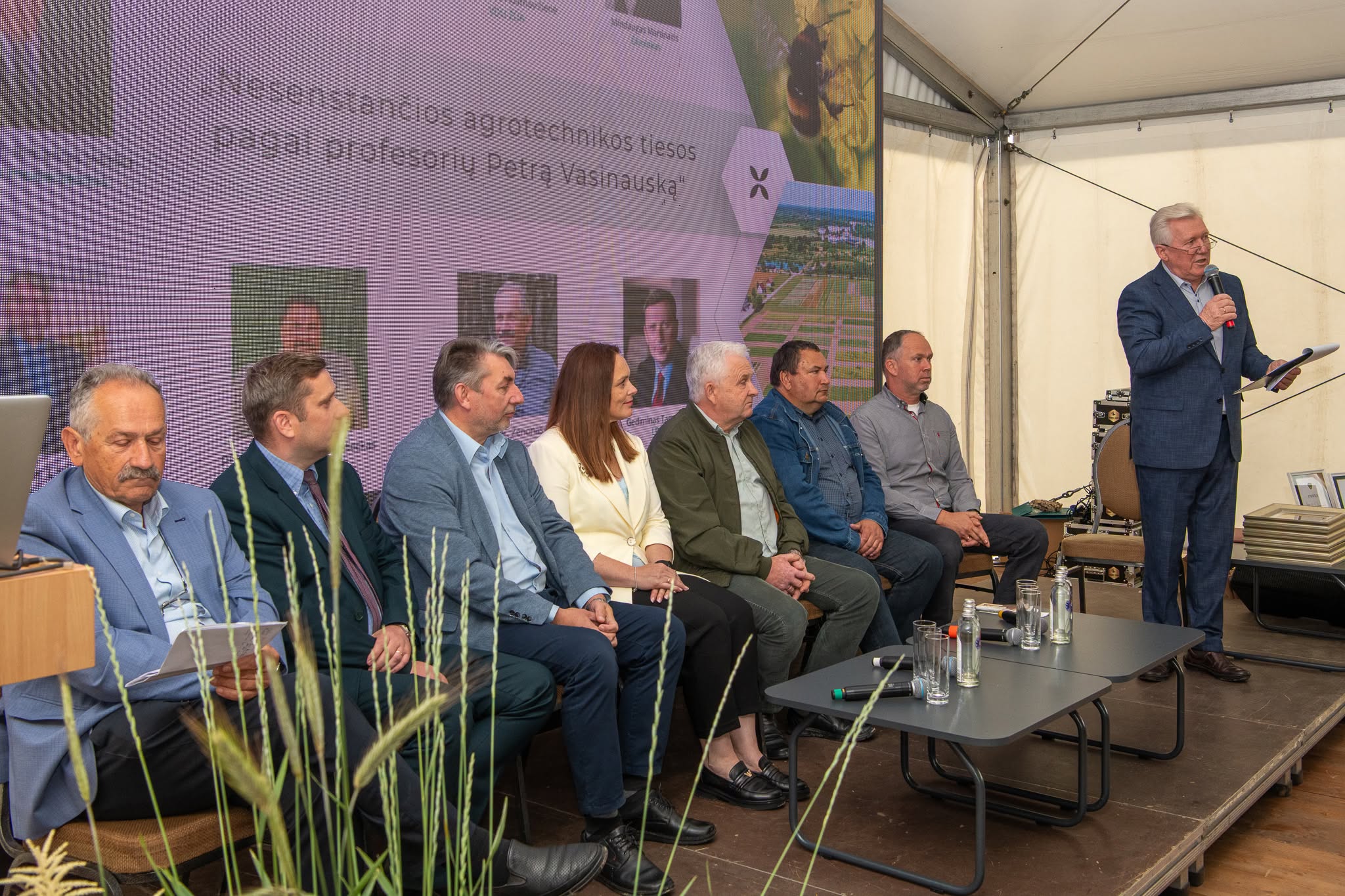
This year’s “Žemdirbio vasara” also had a special historical significance, as the event was dedicated to the 120th anniversary of the birth of Prof. Petras Vasinauskas, one of Lithuania’s most prominent agronomists. Therefore, alongside the latest technologies and innovations, considerable attention was devoted to agronomic principles whose importance has remained unchanged despite the profound transformation of agriculture.
Do the timeless principles of agronomy still work?
One of the highlights of the event was the discussion “Timeless Agronomic Principles According to Professor Petras Vasinauskas.” The discussion brought together representatives of agriculture, science, and farming practice, including BIO-CROP Project Coordinator Prof. Dr Kęstutis Romaneckas.
At the centre of the discussion was a question that remains highly relevant to contemporary research: how can productive crop production be combined with the long-term preservation of soil vitality?
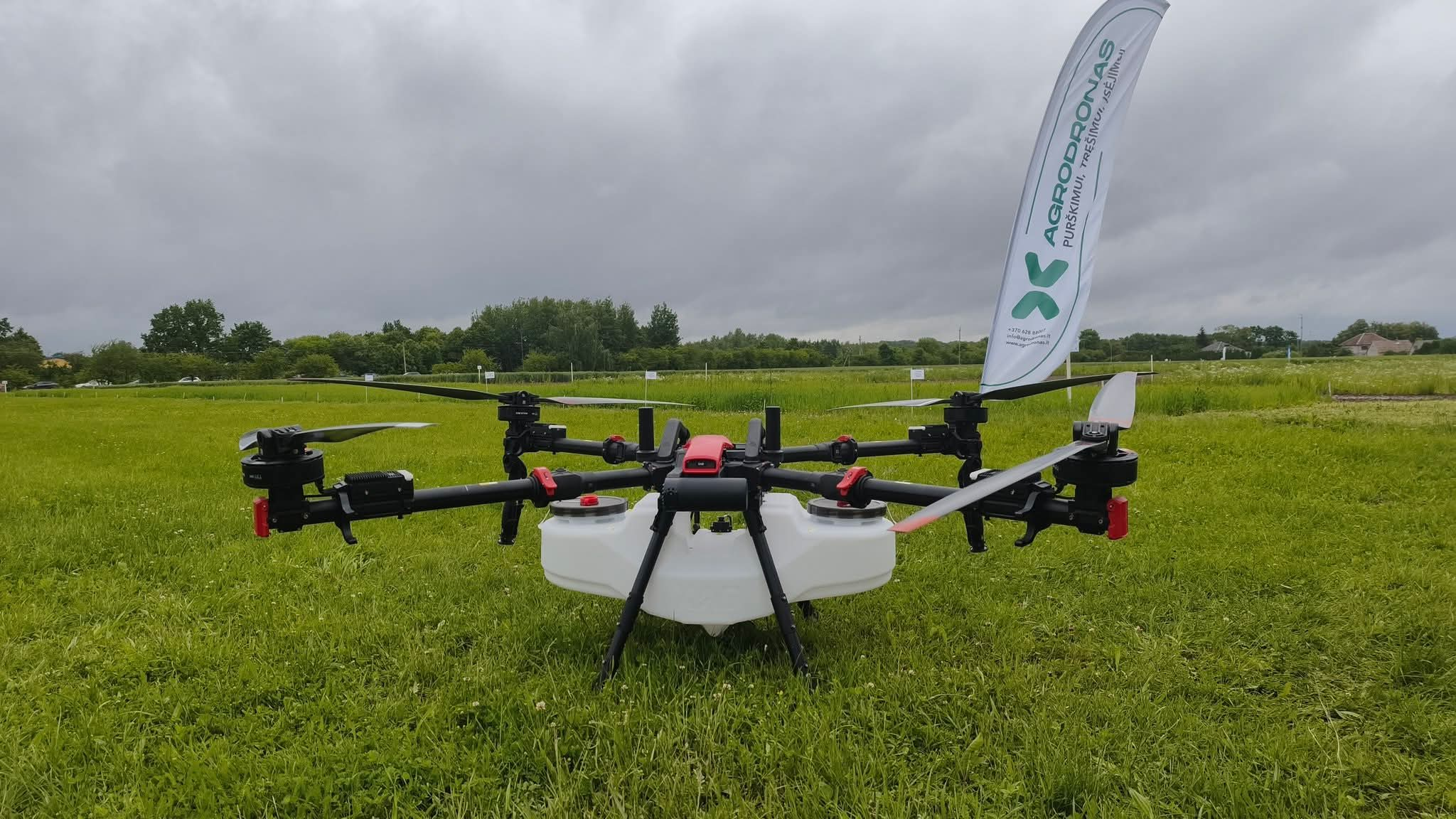
Modern technologies enable increasingly precise monitoring of crops, assessment of soil conditions, and data-driven decision-making. At the same time, growing attention is returning to the agroecosystem itself – plant diversity, crop rotation, biological processes in the soil, and the ability of different plants to complement one another. This is precisely where the discussions at “Žemdirbio vasara” intersect with the BIO-CROP project.
More than one crop in a single field
BIO-CROP explores ways to make better use of the characteristics and growing periods of different crops on farms in the Baltic and Nordic regions. One of the project’s key approaches is relay cropping, in which a subsequent crop is sown into an already growing crop before the main crop is harvested.
This approach changes the conventional perception of a field: instead of a single crop occupying the field for a specific period of the growing season, a system is created in which different crops overlap in time and space.
Why is this important? Longer soil cover, greater crop diversity, and different root systems can help improve the use of nutrients and other resources while creating more favourable conditions for soil functions and biodiversity. However, for such systems to become a realistic farming alternative, theoretical models alone are not enough – they need to be tested under the specific regional and farm conditions in which they are expected to work.
The field becomes a place for joint experimentation
For farmers, it is not enough to know whether a new system works in an experimental plot. Equally important questions include whether it can be implemented using the machinery available on the farm, how it fits into the farm work calendar, what additional costs it requires, and what benefits it may provide under different weather conditions.
Such a dialogue requires places where different types of experience can come together. “Žemdirbio vasara” is one such place.
In this context, BIO-CROP offers another avenue through its Living Lab activities, where scientists, farmers, advisers, business representatives, public-sector stakeholders, and other interested groups can jointly assess the solutions being developed and their practical applicability.