-----------------------------------
BIO-CROP Living lab- Open discussion be held on 15 October, 2026 at Agriculture Academy, Vytautas Magnus Univesity
From Problems to Solutions: Discussing the Future of Resilient Crop Production
On 15 October 2026, the BIO-CROP project held an open discussion, “From Problems to Solutions: How to Build More Resilient Crop Production?”, during the international AgroEco 2026 conference at the Vytautas Magnus University (VMU) Agriculture Academy. The event brought together 18 farmers, scientists, advisors, and representatives of business, the public sector and agricultural organisations.
After an opening by Dr J. Balandaitė and a welcome from Assoc. Prof. Dr A. Adamavičienė, Dean of the Faculty of Agronomy, project leader Prof. Dr K. Romaneckas presented BIO-CROP’s goals. He highlighted how greater plant diversity, multi-species cropping and innovative cultivation technologies can make agroecosystems more sustainable and climate-resilient.
Living Labs in practice
Dr Rita Lankauskienė, head of the LIRA Living Lab at the Lithuanian Centre for Social Sciences, shared the principles and practical experience of Living Labs, a key part of BIO-CROP. Living Labs allow scientists, farmers, businesses and public bodies to develop solutions together and test them in real conditions.
Research and survey results
PhD student K. Jackevičienė (supervisor Assoc. Prof. Dr A. Sinkevičienė) presented research at the VMU Botanical Garden on maize grown with medicinal aromatic plants. Dr Balandaitė shared results of the BIO-CROP farmer survey, which showed interest in crop diversification and cooperation.
Key challenges raised
In the open discussion, participants pointed to:
- climate change, soil degradation and biodiversity loss;
- balancing farm profitability with long-term protection of natural resources;
- rising production costs and risks from global markets and geopolitics;
- the need for closer cooperation between science and practice, so research reaches farmers and reflects their real needs.
BIO-CROP’s upcoming Living Labs activities are designed to support exactly this kind of cooperation.
The discussion brought different experiences and perspectives together and laid the groundwork for continued dialogue and shared solutions.
In Lithuania, the project activities are funded by the Research Council of Lithuania. Project No. LMT – S-Agroecology 26-1.
---------------------------------------------------------------------------------------------
BIO-CROP Living Lab Contribution to ECHO Soil Monitoring in Lithuania
ECHO is a Horizon Europe project that combines soil science with Citizen Science (https://echosoil.eu/?utm_source=chatgpt.com). Its main objective is to engage the public in monitoring soil health and to collect a large amount of standardized data. The project is distinctive because citizens become not only recipients of information but also active participants in the research process. One of the key challenges of ECHO is ensuring the reliability and comparability of citizen-generated data; therefore, considerable attention is given to standardized methodologies and data quality assessment.
An important part of the project is the ECHOREPO digital system, which is designed to store collected soil data and facilitate its use on a broader European scale. ECHO also contributes to increasing public awareness of the importance of soil and the ecosystem functions it provides. The project is particularly relevant to agroecology, as its methodology can be applied to monitor soil health under different farming systems.
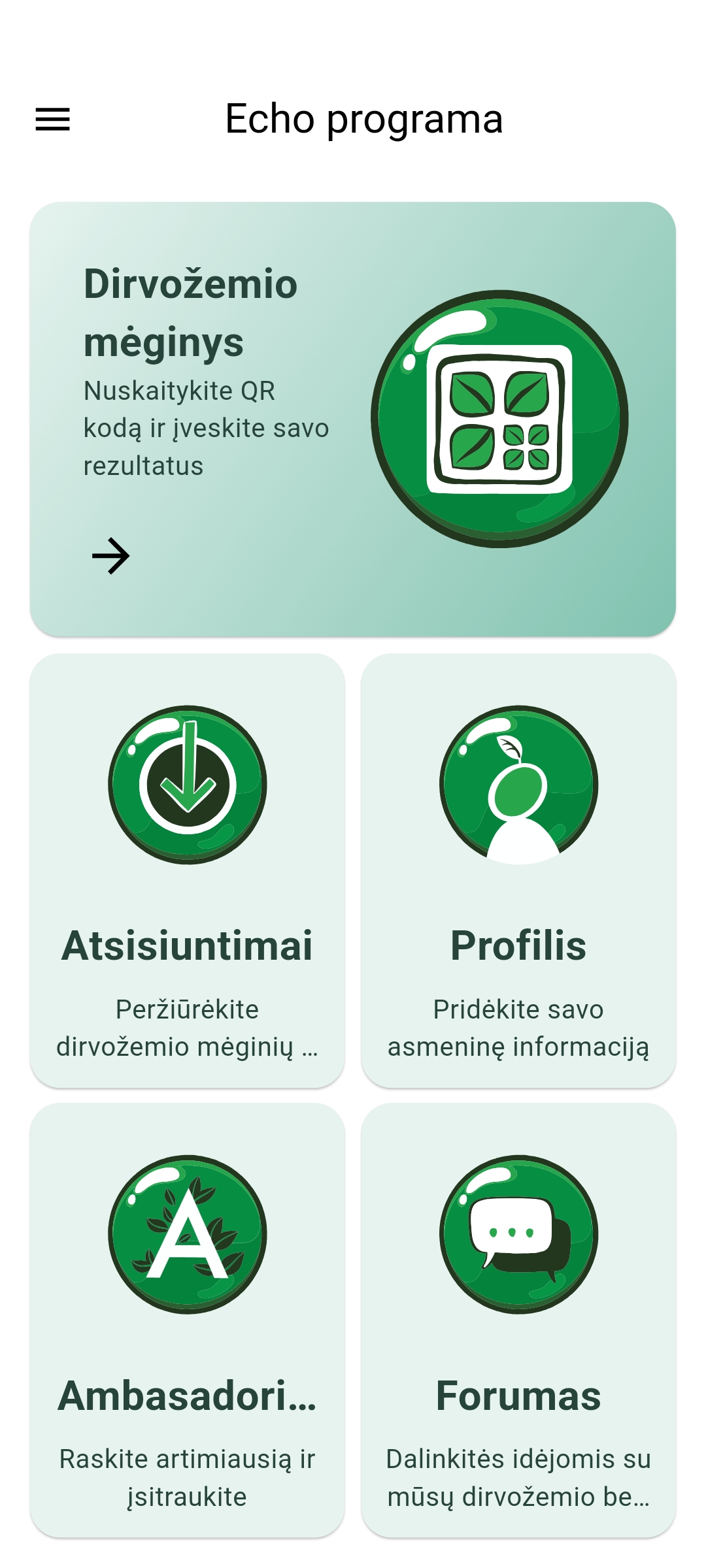
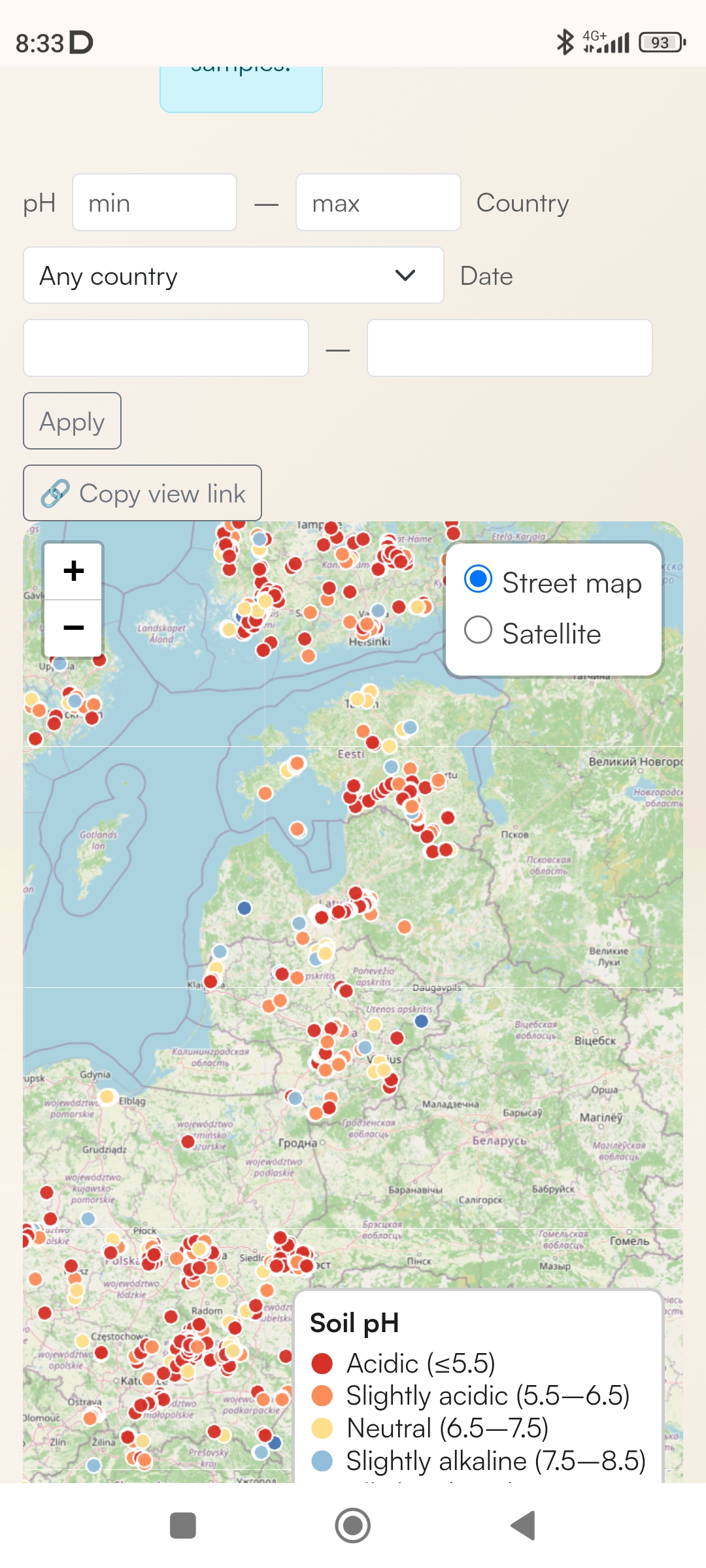
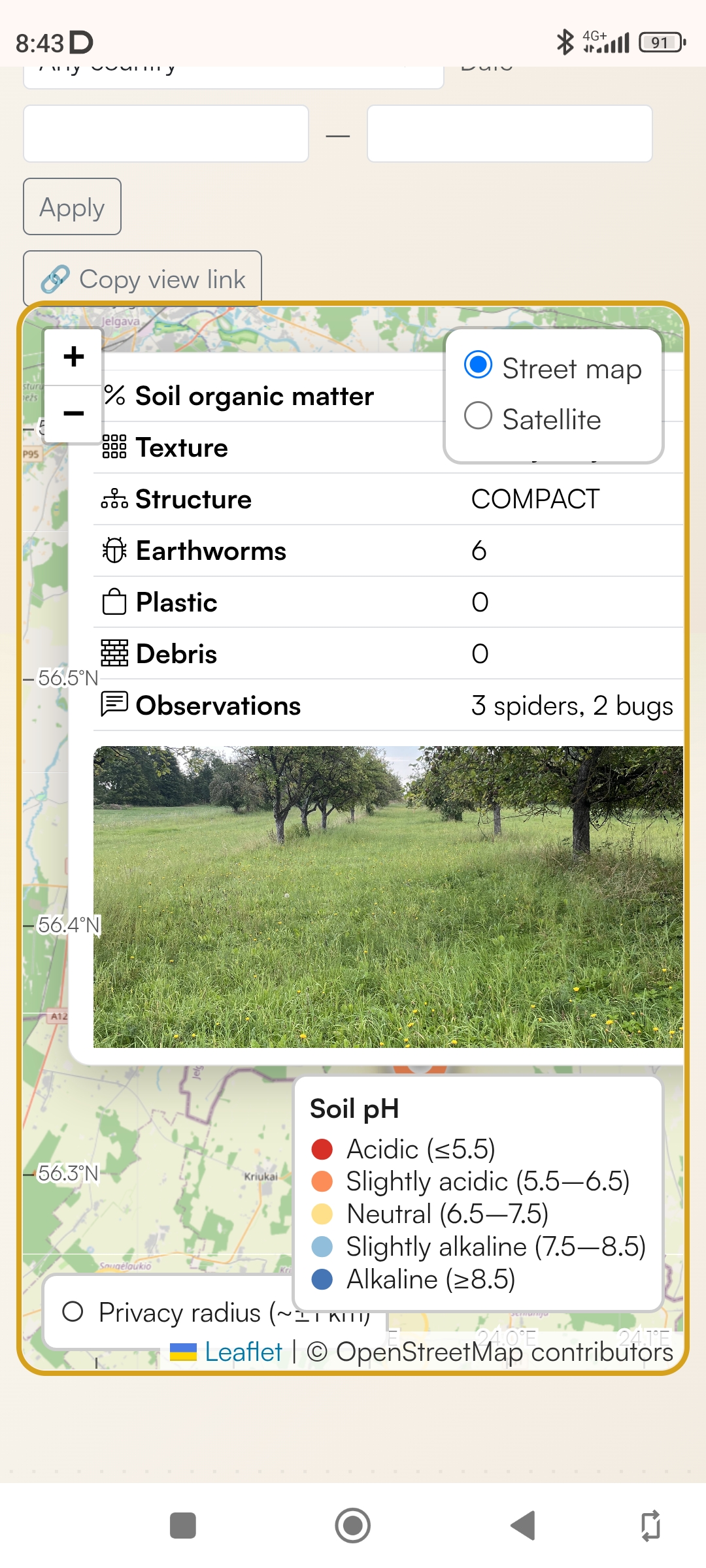
Lithuania is not one of the main partners of the ECHO consortium, but it is involved in the project’s Citizen Science and ECHO Ambassadors activities. The practical implementation of ECHO activities in Lithuania was supported by researchers from the BIO-CROP project and its Living Lab, who contributed to soil sampling at various locations across Lithuania at the end of August this year. In preparation for the sampling activities, BIO-CROP project leader Prof. K. Romaneckas organized two training sessions on the correct soil sampling procedure, attended by up to 20 participants. A considerable number of samples were collected from the fields of farmers who had expressed interest in the project activities, making this initiative a good practical example of cooperation between citizen science, farmers, and researchers. The collected samples contribute to the broader European soil dataset while also helping to better represent the conditions of Lithuanian agricultural soils. In this way, ECHO provides an opportunity not only to obtain more data on soil health but also to strengthen cooperation among researchers, farmers, and society. Overall, the main value of the project lies in integrating professional soil science, citizen participation, and large-scale soil monitoring into a common framework.
-------------------------------------------------------------------------------------------------------------------------------------------------------------------------------------